
The 8 ingredients (and 2 secrets) for effective critique groups.

– 7 min read

You want a writing group.
That place where your wild sentences run free, and on occasion, run-on. Where people can talk in depth about word counts, Scrivener and MSWL. Where you can make real progress toward getting published.
But you need a critique group that truly works, even when those you’ve assembled might not yet recognize each other at the coffee shop.
So what’s the trick to an effective critique group?
I believe it’s this: a formal critique group agreement. (This is also the first secret.) A good agreement can be freeing—and empowering—in the best ways possible. Read on and find out how.
The point of a critique group is to keep you writing and writing well. With an agreement, it’s possible to give that desire a shape that more closely resembles a rocket.
Here's a list of eight things—with the help all my writer friends also seeking effective gatherings—that have become standard elements of our writing groups. Thanks to the Writing Gang, Inkslayers, WriteClub (nobody talks about the WriteClub), Playwrights' Center, Writers’ Block and the other groups that I've been a part of for their invaluable insight into what makes critique groups that work.
Take it from any Minnesotan with a fishing pole: you gotta know what you’re catching before climbing in the boat. In other words, what do you want from this particular critique group? What are your goals? Here are some examples of purpose bullets from groups I’ve been in:
Do the same with your group. It will help you decide where and whether to stretch the circle, and where to keep the focus tight.
Want commitment? Put your details on the calendar and turn on repeat. Here’s an example of how one group structured it.
You’ll note we met at a grocery store—one of several we utilized. As much as we loved the vibe of coffee shops (and, actually, started the group at one), the dining area was where we knew we could always find a table and a bite to eat if we missed dinner.
Some of you will deeply understand the 10-minutes chit-chat limit. We were so good at catching up, we had to assign a time-keeper. It turns out gangs are fun.
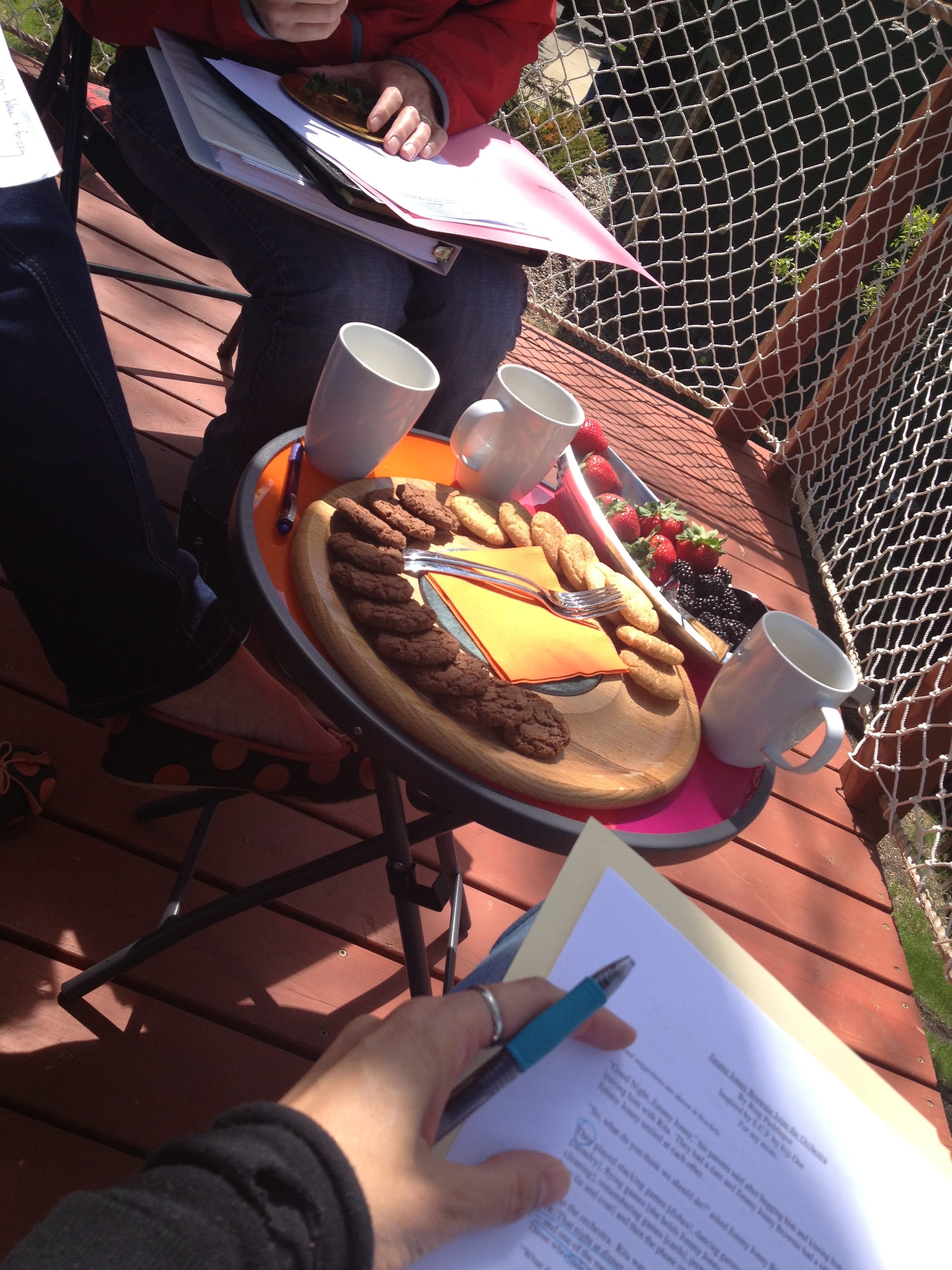


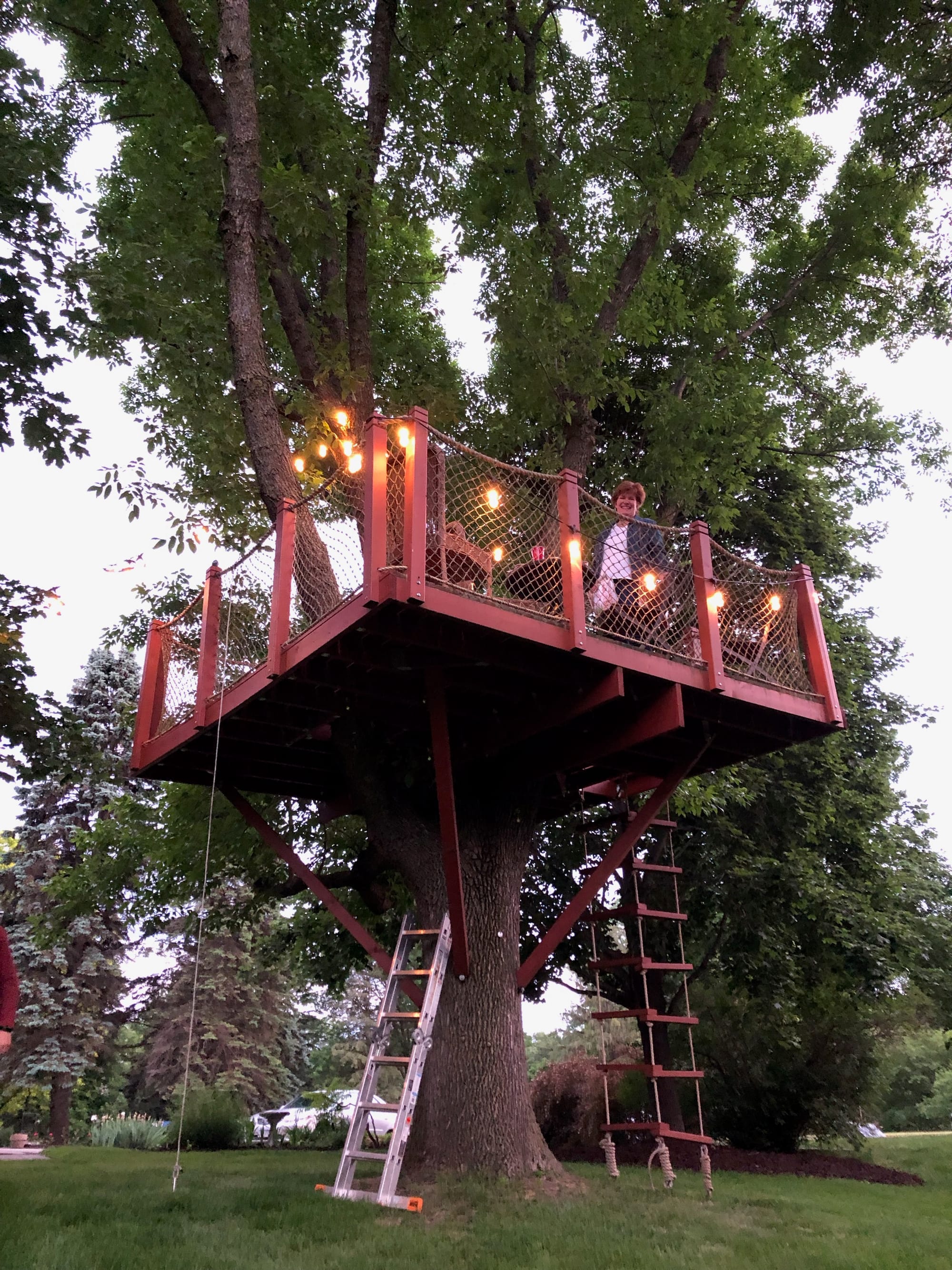
My first writing group was for picture books, and we called ourselves the Writing Gang—because we're tough like that. We still gather as we need to, but, now we call ourselves the OGs. Kate and Julie waited months for the tree fort to be completed, and were part of the inaugural celebration (and critique session).
What will each meeting require of you? A new picture book manuscript? A chapter of a novel? This is when that offhanded comment—“We should start a writing group!”—just got real.
Here’s guidance from a novel-writing group:
Unlike that high school essay with minimum number of words (where your brain stops as soon as you hit the count), the important thing here is the upper limit. Using the example above, if you have four people in the group, as a reader, that’s 60 pages of focused reading each session. The upper limit protects you from those who can easily churn out 50 pages in two weeks, or someone sending out reams from a novel they’ve already finished.
The real just got realer.
Most creatives thrive on deadlines, so let’s give us some. This is a two-parter, a deadline for the author and a deadline for the reader. Both are important.
I’ve been in writing groups with a dozen people. Honestly: run fast and far from that.
I’ve discovered a sweet spot is four people (give or take one). Write your participant-count preference into the agreement:
It’s not fun to be outside an exclusive group, and this approach allows others to join. It also right-sizes a group that becomes unwieldy.

This section gets to the heart of the matter: how we treat each other as critiquers and critiquees. Here are the five bullets from one of my current groups:
Reading these bullets, you probably get the sense that the critique groups we enter are vulnerable places. This is a reminder to be reverential with writers exposing their souls, even when it’s through a 500-word picture book manuscript.
What happens when there’s a bad hat in the group? Usually bad things. And since sustaining positive momentum is critical, set standards early. Here are bullets we use:
This last bullet is pretty genius. It enables a recommitment and a way to re-aim the group for the results you're seeking. Set up a gathering every year just for that, this time without a time-keeper for catching up.
There's a powerful business idea that also works with critique groups: have an off ramp. Here’s what I recommend:
Like too-skinny pants, no one wants to hang around in a critique group that doesn’t fit. So this step is your way out of a tight spot. In the groups I’ve been in, people have used it as they’re working longer hours, or it’s pee-wee baseball season, or someone’s moving, or a kid’s getting married, or someone’s moving again, or no excuse needed.
And you come back, refreshed and recommitted.
Or not.
You might find you need a different group that better fits your sensibilities. That’s a good outcome, too. This is our creative life, with our own unique goals. We join a critique group to have sustenance for our journey, so we should find a group that feeds us—and not just by meeting at Whole Foods.
P.S. - Have ideas for what makes your writing groups work? Send them my way—I'd love to hear them.